The Building is Still Doing What It Was Built to Do
On July 4, 2026, JR Ichinomoto Station in Tenri, Nara became something it had never been in 128 years: a place where people sleep inside it while the railway continues operating outside.
The station building dates to 1898. It is wooden, single-story, and small. It became an unmanned station in 2002. In September 2025, the Nara Railway transferred ownership to Tenri City. Three months later, it reopened as part of CÉUEU Ichinomoto Station—a hotel project that allows guests to stay in the original building while trains still pass the platform.
This is not a museum. This is not a memory. The railway is alive.
The trains still come.
What Remains. What Changed.
The preservation was not total. It was surgical.
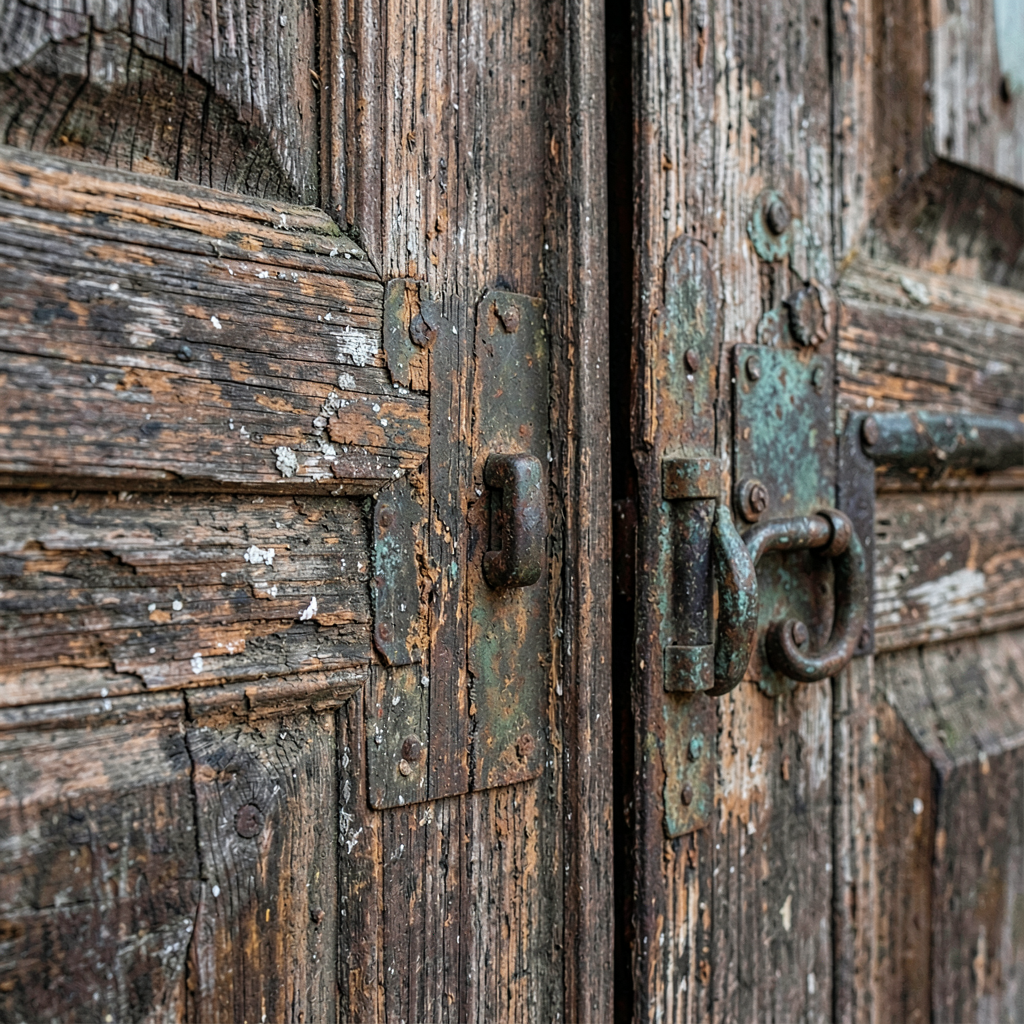
The northern side of the station—the original waiting room where passengers gathered for 123 years—remains essentially intact. Wooden benches. Original architectural detail. The physical grammar of a functioning station from the Meiji period.
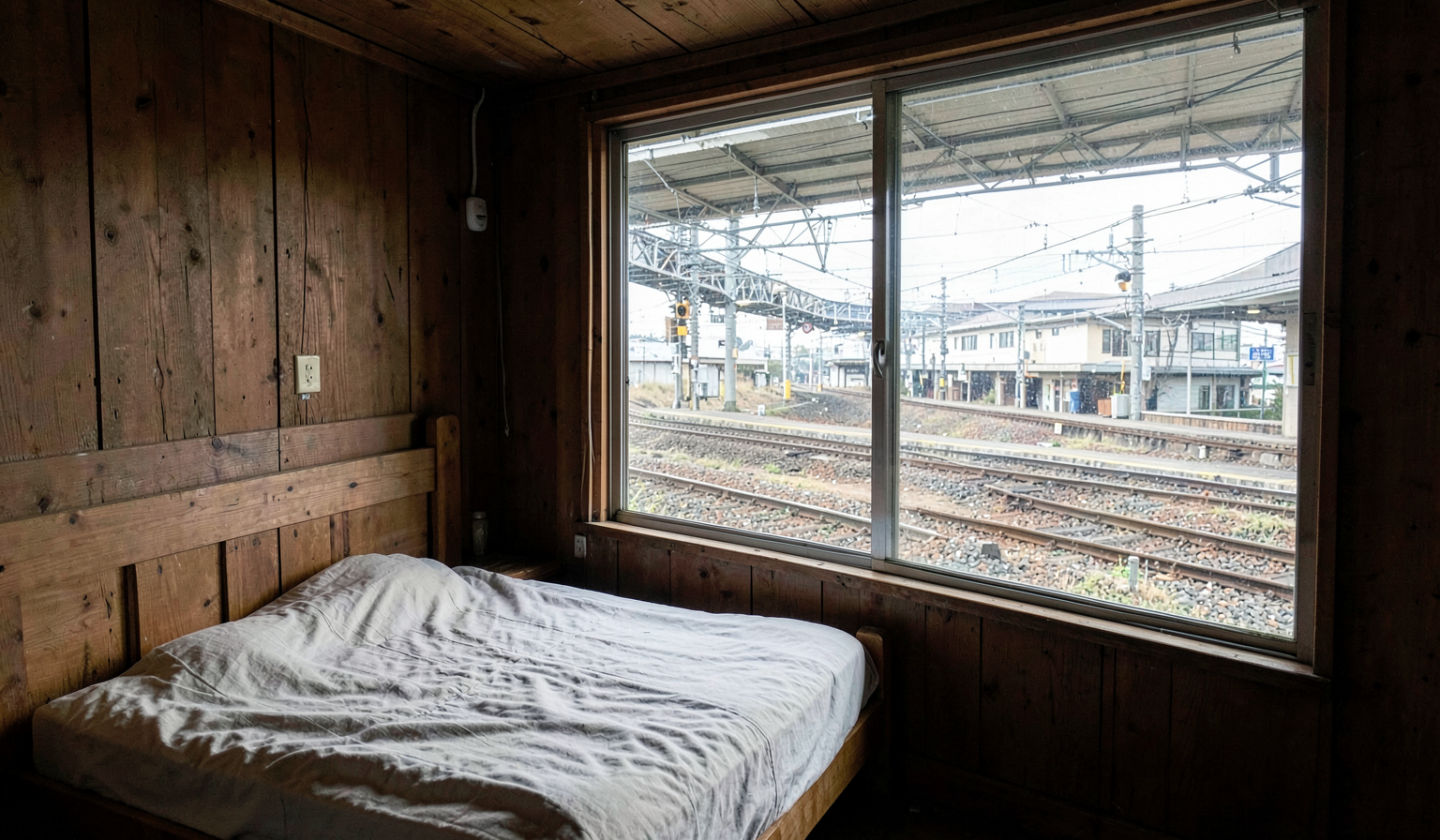
The southern side—where station staff conducted overnight work and stayed during their shifts—became the accommodation: 36 square meters of new function inside the old shell. The floor and ceiling use abundant Nara Prefecture wood. A mini kitchen. A refrigerator. A semi-outdoor bath. Upstairs, a loft.
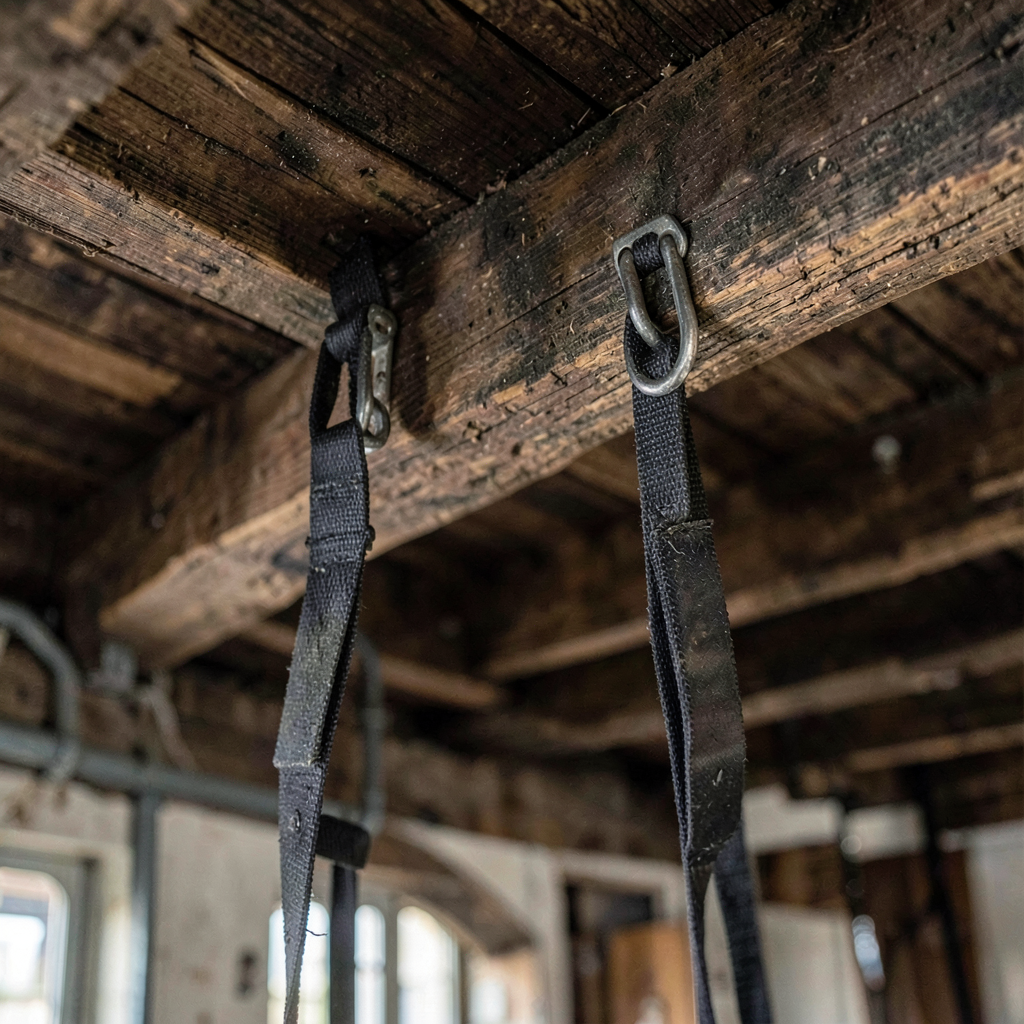
The new room contains specific objects: electronic display boards from other stations. Ticket counter partition boards. Hanging straps—actual train car hanging straps—installed on the loft ceiling. These are not decorative archaeology. They are stations' own infrastructure repurposed, the building speaking in its own language about what it is.
A window faces the platform directly. From the bed, a guest can see the tracks.
Who Decided People Should Sleep Here
The decision came from Risshisha, a Tokyo-registered company based in Kyoto that specializes in town house renovation and hotel operations. The company's representative director, Koji Maeda, is a Harvard Business School graduate and former investment banker who spent years in hotel asset management and real estate securitization before starting the company in 2014.
This is important: Maeda did not discover this station in isolation. He arrived with a larger vision.
Risshisha calls it the Mahoroba Project—a plan to treat the entire region along three JR West lines (the Manyo Mahoroba Line, Wakayama Line, and Yamatoji Line) as a single distributed hotel. The concept involves renovating unmanned station buildings and vacant houses scattered across villages into individual guest rooms, with local residents participating in operations and service. Micro-tourism, Risshisha calls it. Not big resorts. Small, distributed stays across a region.
Ichinomoto Station is the first phase.
After opening, Risshisha plans to add 5 to 10 more folk house guest rooms and gradually expand accommodation bases along the line.
This distinguishes the project from simple heritage preservation. It is not trying to freeze 1898. It is trying to make 1898 part of how people live now.
The Station Was Never Really Closed
A language correction matters here. The station became unmanned in 2002. It did not close. Trains still stopped there. People still used it. The building simply operated without staff.
For 24 years, an unmanned station building from 1898 continued its function with no caretaker, no ticket agent, no staff room occupied at night. It remained a functioning part of the railway system.
Mayor Takeshi Namikawa of Tenri City, in describing the project, mentioned that Nara Prefecture contains numerous cultural properties scattered across the region—including World Heritage sites—and that the challenge is "firmly connecting them." The station was not abandoned. It was still in use.
When Tenri City invited proposals for the station's use, Risshisha submitted the hotel plan and won the contract.
What the Experience Actually Is
The specification is precise: capacity for up to 4 people. Minimum occupancy of 2 people per night. Pricing starts at ¥12,100 per person and increases depending on occupancy and date. Check-in begins at 15:00. The city requests check-in by 20:00 due to the residential area location. One group per night—the entire station functions as a single private room.
The room contains what you would expect from a contemporary hotel room: hot water, heating, kitchen access, a real bed. It is not roughing it or heritage tourism that requires camping. It is comfortable. It is also very obviously inside a 128-year-old railway station.
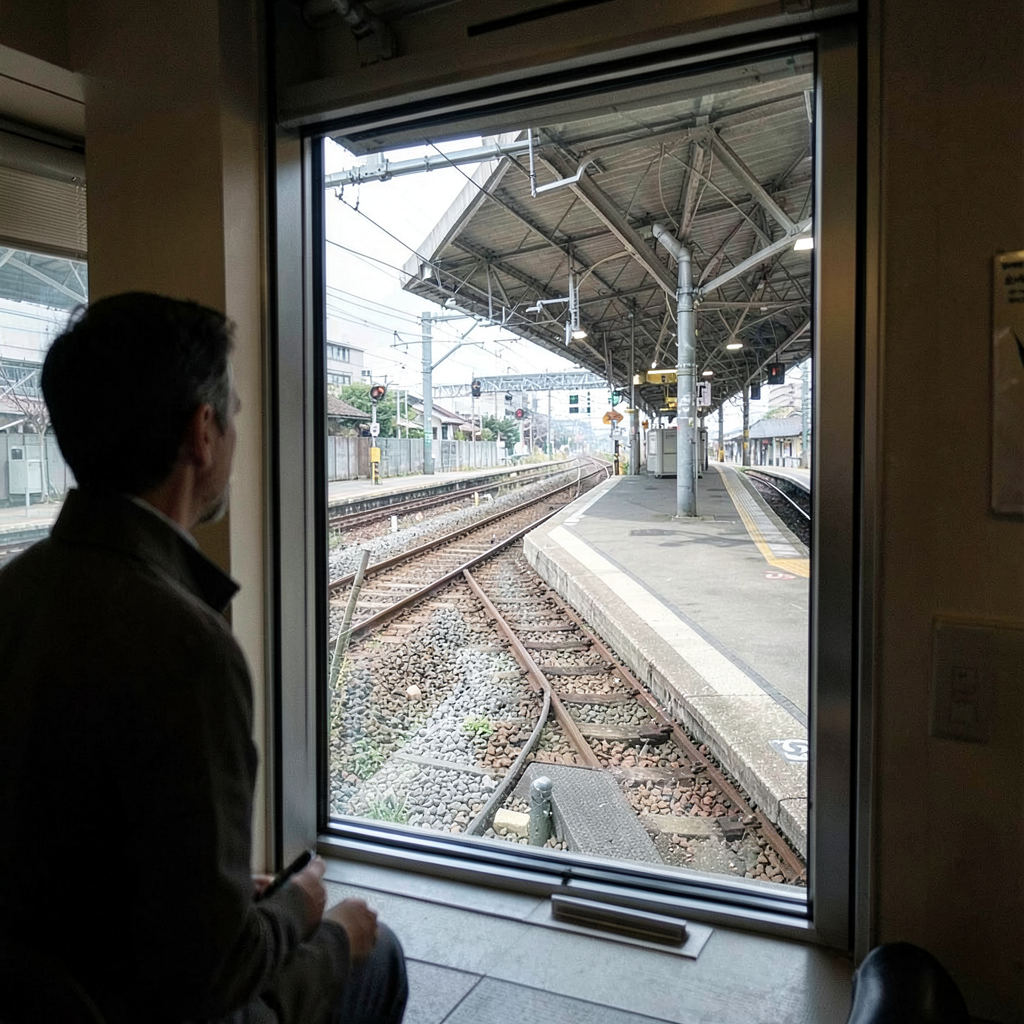
From the room, you can see trains passing. The dossier from Sankei News is explicit: "Each time a train passes, the room shakes with a 'gatagoと' sound"—that onomatopoeia for the clacking rhythm of rails and wheels—"allowing guests to experience the concept of 'sleeping in the station building with the feeling of a night train.'"
The room does not pretend this is accidental.
The design includes this deliberately. The hanging straps. The display boards. The window facing the platform. The project's own language about "the feeling of a night train" acknowledges that the railway presence is part of what you are paying for.
The trains aren't something the hotel tries to hide.
They are part of what it is selling.
The First of Its Kind in JR West
Risshisha's own characterization identifies this as "the first initiative within the JR West network to utilize a station building as an accommodation facility."
That specificity matters. It does not claim "first in Japan"—there is at least one comparable project. INN MY LIFE, which opened in 2019 at Futamata Honmachi Station on the Tenryu Hamanaka Railway in Shizuoka Prefecture, operates a similar concept: a single-group-per-night station hotel. INN MY LIFE is 37 square meters, uses Tenryu Hinoki wood and Enshu textiles, and charges ¥18,000 to ¥25,000 per person.
Ichinomoto Station is smaller, cheaper, and uses different materials (Nara Prefecture wood). But the precedent exists.
Still, within JR West's network of thousands of stations, this appears to be genuinely novel.
Where High School Students Designed the Vending Machine Placement
In June 2026, before the official opening, students from Asuka Mirai High School participated in the project. They proposed local maps for the area and designed vending machine placements. Their participation was documented officially—this was not a symbolic gesture. The students conducted actual design work for the real facility.
This detail matters because it reveals something about how the project positioned itself locally. A regional hotel project opening at a historic site could have proceeded as pure external intervention. Instead, it involved young people from the area in making decisions about how visitors would experience the place.
The Waiting Room is Still a Waiting Room
Both Risshisha and media coverage emphasize a specific preservation choice: the northern waiting room remains as it was. No hotel rooms. No café. No gift shop. Just the old waiting room, where the original function is preserved in architectural form.
On one side of the building, people sleep. On the other side, people wait for trains.
The building has not been retrofitted into something else. It has been given a second simultaneous function while its first function remains.
This is important because it means Ichinomoto Station is not a before-and-after story. It is a both-and story.
Why This Actually Matters
The immediate reason is straightforward: it is an extraordinary use of an old building. A 128-year-old structure, under-resourced for decades, did not disappear. It was not demolished. It was not turned into a museum where you look at it but do not enter. Someone looked at it and decided: people should stay here while the trains are still running.
The larger meaning may reveal something about:
- how regional economies adapt when central infrastructure becomes insufficient
- whether hotels distributed across small unmanned stations offer a viable alternative to resort consolidation
- what people actually want from a night somewhere (train sounds and railway infrastructure appeal to someone)
- how old buildings can function in the present without pretending to be contemporary
- whether this model works in other places
Or the larger meaning may reveal something else.
OUTSIDE followed the evidence. The evidence led here.
The Community Participation Question Remains
Risshisha's stated vision involves "local residents participating in customer service and operations" across the broader Mahoroba Project. The high school student participation in design is documented. But the research dossier does not contain information about who actually staffs Ichinomoto Station, what employment relationships exist locally, or what the town's reception has been to the project beyond the mayor's statement about connecting cultural properties.
This is a genuine gap in what we know.
One Question Everyone Should Ask
Why would anyone want to sleep in a train station?
The answer is not obvious. You can stay in a normal hotel and hear trains in the distance. You can visit railway museums and photograph old buildings. You can travel to see heritage sites. None of that requires actually sleeping inside an active railway station.
The choice to book this room is a choice to experience something that most people find uncomfortable (trains, noise, platform activity, institutional architecture) as desirable.
That choice itself is interesting.
It suggests that for some guests, the railway presence is not a drawback to tolerate. It is the point. The reason to be there.
A person books this room to sleep while trains pass. To feel the building move. To hear the railway sounds. To wake in a place where the function it was built for 128 years ago is still happening outside the window.
That may be the strangest thing about CÉUEU Ichinomoto Station.
The railway never left.
Now you can sleep beside it.